
People You Should Know
People You Should Know: Dr. Nathan Bryan
Why Brilliant Ideas Never Make It

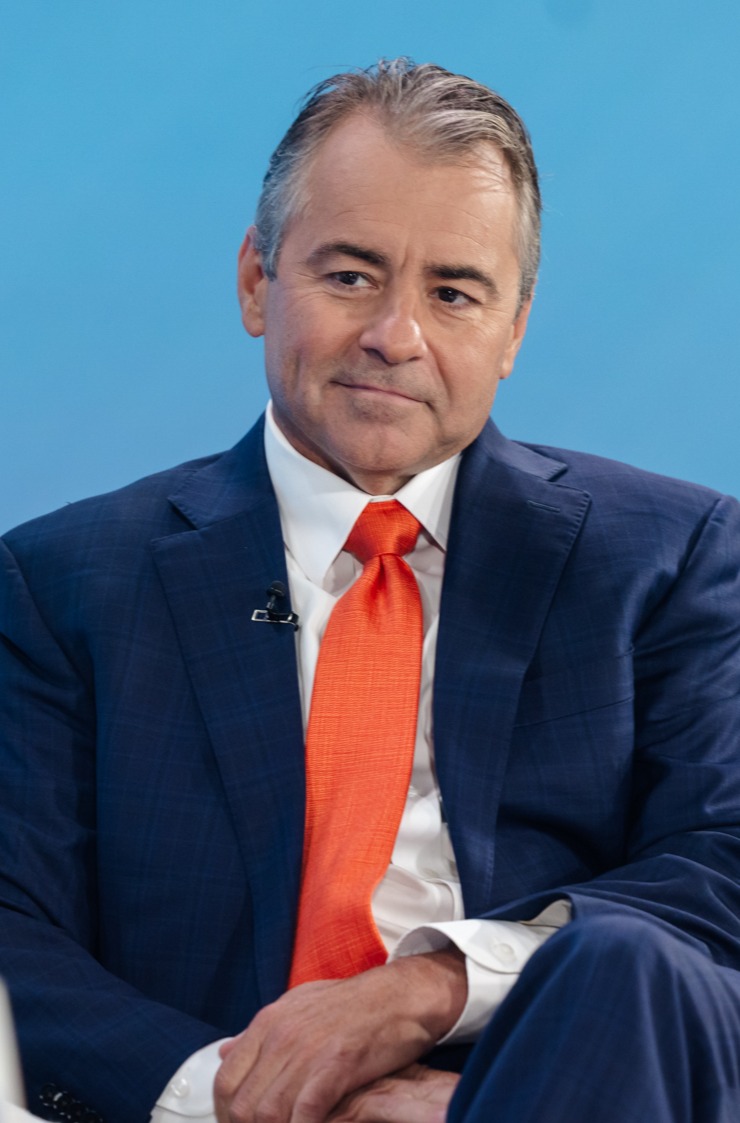
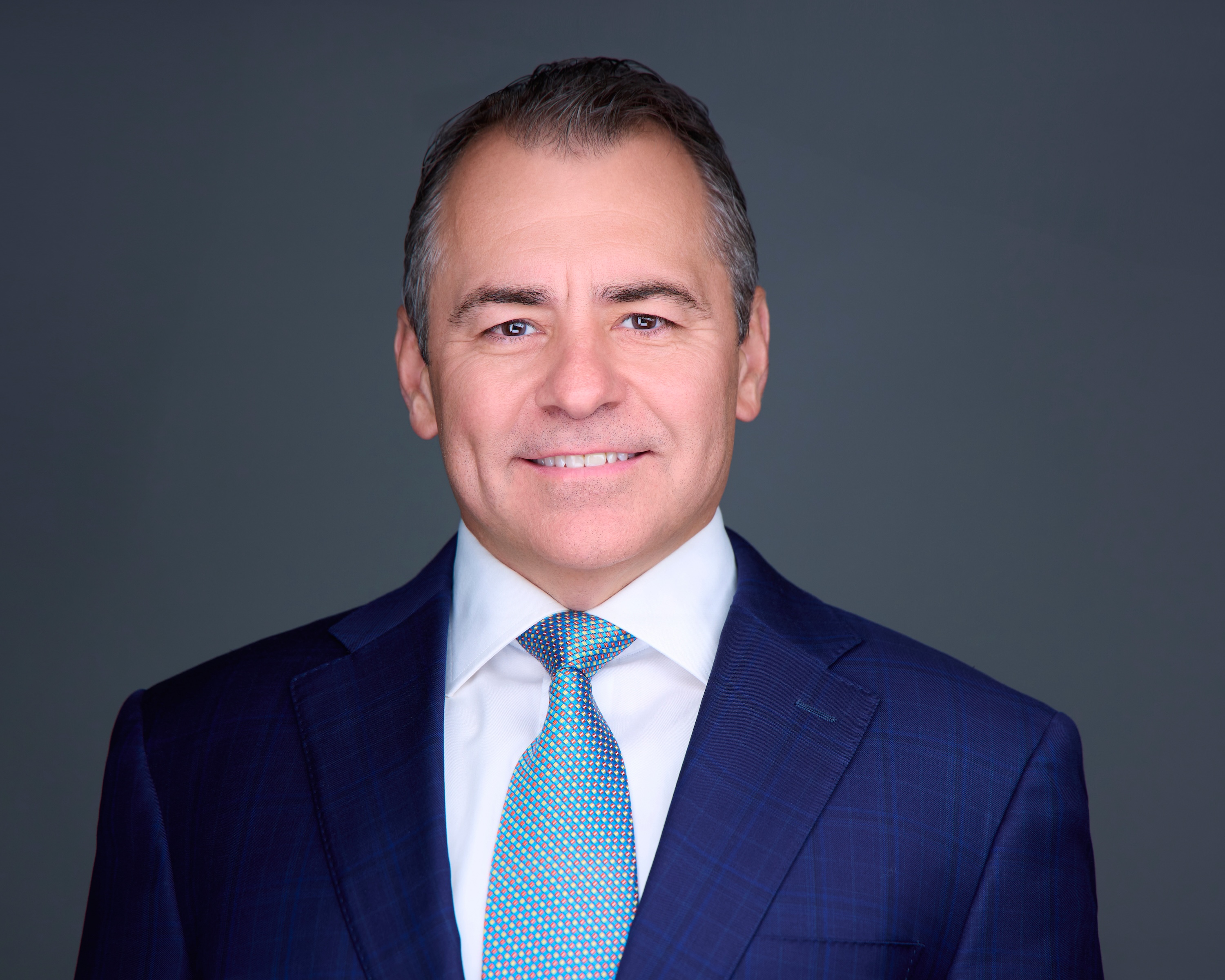
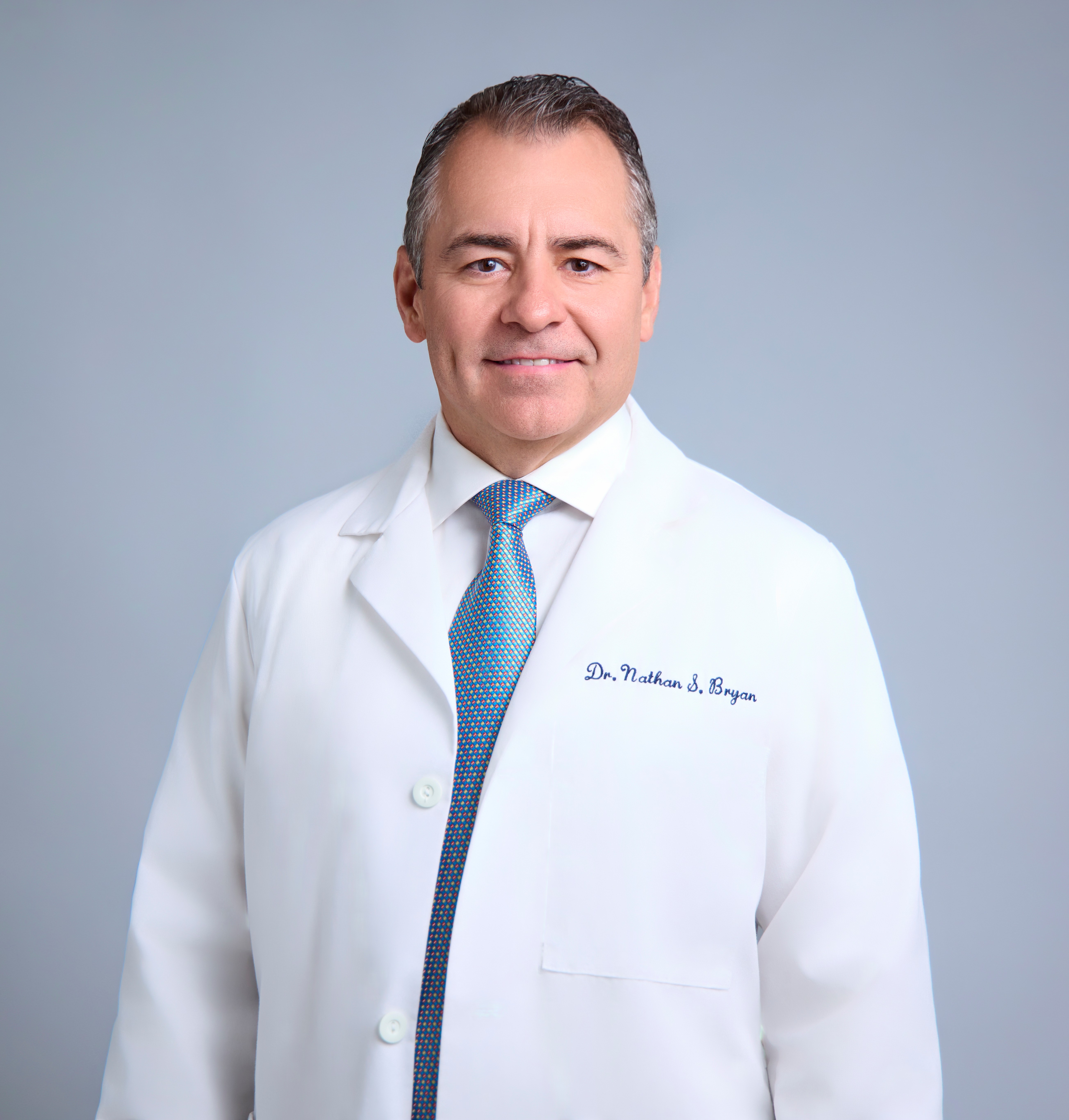
AUSTIN, TX (MPG) — “I had a solution to a problem people didn’t know existed.” — Dr. Nathan Bryan
A brilliant discovery can change everything. But what happens when nobody wants to invest?
Years of research and patents can still leave a breakthrough sitting on a shelf.
What separates an exciting invention from a business that actually succeeds?
Dr. Nathan Bryan knows that gap firsthand. He spent decades studying nitric oxide, a gas the body produces that helps blood vessels relax and supports circulation. He developed technology intended to deliver nitric oxide through products people could use, then left academic medicine to bring it to market.
The Discovery Nobody Wanted
Bryan’s challenge was turning laboratory science into a practical product.
At the University of Texas Health Science Center in Houston, he developed a nitric oxide-producing lozenge and filed patents. Bryan says his technology may help address problems associated with impaired nitric oxide production, including circulation and blood pressure. Those are his claims, not established outcomes for every product or patient.
Scientific recognition came. Commercial interest did not. The university had found no company willing to license his inventions.
A neighbor proposed another route: Start a company, license the patents, raise money, and bring the product to market.
Bryan had not planned to become an entrepreneur. Waiting was no longer an option.
Two Years of Pitching and Almost Nothing to Show
Imagine pitching investors for three to five minutes about a product few people understand.
For roughly two years, Bryan traveled, collected business cards, heard promises, and followed up. Investment rarely followed.
He spent his own money and began to lose confidence. He had to sell not only a product but the possibility of an entirely new market.
The challenge was especially steep because he was introducing something unfamiliar. There was no established customer demand waiting for him. He had to explain the science, make the case for its commercial potential, and persuade others to share his conviction.
Eventually, early backers came aboard. Bryan says his businesses grew into a portfolio valued at more than a billion dollars, an estimate he provided in our interview. The lesson: Enthusiasm is not investment.
Trust Is More Valuable Than a Patent
Patents matter, Bryan says. They can protect an invention while a small company establishes itself.
But protection cannot create demand. Customers need to understand the benefit and trust the person offering it.
“The most important asset you have in any company is your trust and credibility.” — Dr. Nathan Bryan
Bryan learned to translate complex science into everyday language. Rather than explain biochemistry, he discussed the potential benefits customers cared about. He also learned to acknowledge what he did not know.
Advertising may win a first sale. Bryan argues that repeat purchases reveal whether a product delivers on its promise.
He also points to a difficult tension founders face when outside investors arrive. Financial backers want returns; inventors may be driven by the original mission. Keeping those priorities aligned, he says, can determine whether a business stays true to its purpose.
The Lesson for Every Entrepreneur
The most useful part of Bryan’s story may be his decision to keep moving when the usual path failed.
He found allies, learned business skills, and worked to earn trust.
One of his most practical suggestions for founders without an established reputation is to find a respected expert in their field who can evaluate the idea and help establish credibility. Trust cannot simply be declared; it has to be earned.
“If it was to be, it’s up to me.” — Dr. Nathan Bryan
What stayed with me was how familiar his challenge felt. You may never work in a laboratory, but you know what it means to believe in an idea before others do.
A great idea is only the beginning. Building something lasting requires persistence, credibility, and action.
Listen to my complete interview with Nathan Bryan on The Tony DUrso Show at https://tonydurso.com/nathan-bryan.