
Photos: Taking care on the coast
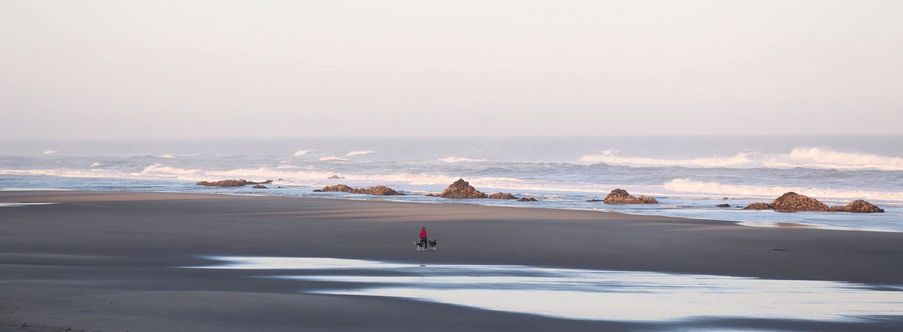


The Oregon Coast has no shortage of beautiful hiking trails and sprawling beaches ready to be explored.
Still, there are some crucial considerations people should keep in mind when heading out to the coast for an adventure, both in terms of conservation and safety.
Finding a way to enjoy Oregon's plentiful wilderness while respecting the trail and staying safe is the name of the game. Oregon Parks and Recreation Department (OPRD) Public Information Officer Stefanie Knowlton said that many of Oregon's most beautiful landscapes, including the coast, include inherent risks and hazards, such as cliffs and drop-offs.
Based on camping and day-use estimates, Oregon Parks and Rec estimates that about 34 million people visited Oregon State Parks on the coast in 2024. Whether you're hiking God's Thumb in Lincoln County or hitting the Hobbit Beach Trail in Florence, there are important things to keep in mind.
"Leaving marked trails or ignoring safety signs and barriers can increase the risk of injury or fatal falls," Knowlton said. "We encourage visitors to stay on trail and respect signs and barriers to recreate safely."
Social trails or unmarked trails may lead to safety hazards, such as steep drop-offs, where visitors could fall and sustain injuries. It isn't just people who can feel the impacts, though. Stepping away from official trails can cause erosion and further damage areas that are meant to be preserved. Every time someone follows a social trail, it continues to wear that path into the landscape, possibly reinforcing a pathway that leads to hazardous conditions, Knowlton said. It could also impact sensitive habitats and wildlife.
"We also encourage packing the 10 essentials, including food, water, and sun protection," Knowlton said.
The "10 essentials," (aptly named) include:
Navigation – Map, compass, and GPS
Sun protection – Sunglasses, sunscreen, and a hat
Insulation – Jacket, hat, gloves, rain shell, and thermal underwear
Illumination – Flashlight, lanterns, and headlamp
First-aid supplies – First Aid Kit
Fire – Matches, lighters, and fire starters
Repair kit and tools – Duct tape, knife, screwdriver, and scissors
Nutrition - Food
Hydration – Water and water treatment supplies
Emergency Shelter – Tent, space blanket, tarp, and bivy
In addition to hikes in the coastal range, it's no secret that the beach itself is an obvious draw to the coast. Like many things in the Northwest, it's rugged, unpredictable, and formidable. While there are certain areas suitable for swimming and lazing about with your favorite beach chair, there are important things to remember when getting out near the waves.
A few Oregon Parks and Rec tips that are unique to the coast include:
Knowing the tide schedule. Some beaches and access points can disappear during high tide, so don't get stuck without a way back.
Never turn your back on the ocean. Sneaker waves have the power to sweep you off your feet, so always keep your eyes on the water when you're near the surf.
Stay clear of beach logs, which can weigh anywhere from a few hundred pounds to several tons. They become buoyant in the surf and can knock you over and even pin you down.
As far as conservation efforts go, many of the same principles apply to both the trails and the beaches. Oregon Parks and Rec advocates for a "Leave No Trace" approach.
"It essentially means leaving an area as good as, or better than, you found it," Knowlton said. "One example of that is disposing of your trash responsibly. If you leave it behind, wildlife might ingest potentially toxic items."
Trash can also impact the ecological health of the shoreline. Knowlton also emphasized the importance of respecting wildlife. Stay a safe distance away from seals, sea lions, and other marine life. And leave plants and creatures where you find them.
It's also a good idea to check what conservation specifics may apply to the beach you plan to visit. Snowy Plover nesting season is upon us, and respecting rules protecting them is another way to protect the health of shorebirds. Knowlton asks that people follow the signs to learn what restrictions are in place Mar. 15- Sept.15 along about 40 miles of coastline.
During nesting season on those beaches, no dogs (even on a leash) are allowed. Additionally, driving vehicles, riding bicycles, operating electric-assisted bicycles, camping, burning wood, flying kites, or operating drones are all prohibited.
Recently, some communities have even begun to restrict driving on beaches in the interest of maintaining and preserving their beaches natural settings. One example comes out of Manzanita, where the Oregon Parks and Recreation Commission voted to ban driving on beaches in Manzanita due to safety concerns. The concerns were brought to the commission by the Mnazanita City Council.
Knowlton provided more insight into why Manzanita and other communities have taken such measures.
"Several communities have reached out to state parks to restrict driving on the ocean shore in the past due to concerns about safety and habitat protection," Knowlton said. "As visitation increases, these beaches have lots of foot traffic combined with vehicle traffic, and sometimes they don't mix safely. We work with communities to balance their needs with recreation, safety, and habitat protection. We work on developing rules through a public process."
So, if you're planning on trailblazing or a beach outing, make sure you've checked what rules apply to your next stop, and try to stay safe. The coast can be wonderous, but it's also full of surprises to be aware of.
For more information, contact the OPRD at 800-551-6949.