
Oregon State University researchers · Dr. Universe
Curious Minds
Whales, sneaker waves, wildfire smoke, salmon and the questions kids ask — science from just up the coast.
34 stories · about 2 hours of reading
Do bugs have hearts and brains?
– Nick This updated Ask Dr. Universe story originally published February 2015. Dear Nick, All mammals have hearts and brains. It’s something you and I have in common. Our four-chambered hearts pump blood around our bodies. That’s how we move oxygen and waste. Our brains sit inside our skulls.…
2 min read · 2026
Why don’t we eat reptile eggs?
–Bella, 7, Arizona Dear Bella, I love cracking an egg over my morning kibble. It keeps my fur sleek. I asked my friend Ryan Wagner about eggs. He’s a biologist at Washington State University. He studies reptiles and amphibians. He told me that many people do eat reptile eggs. “Reptile eggs are eaten…
2 min read · 2026
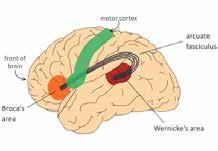
Why can’t my cat talk?
–Bruce, 4, California Dear Bruce, As a talking science cat, I’m a special case. Other cats meow, purr, chatter and chirp. But they don’t talk. It turns out humans are the only animals with true language. That’s what my friend Samantha Gizerian told me. She’s a neuroscientist at Washington State…
2 min read · 2026
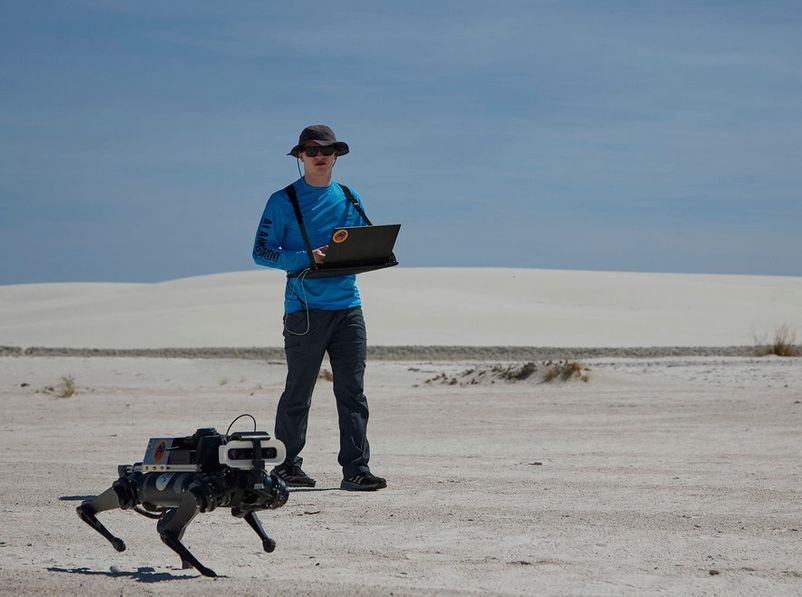
Researchers are teaching robots to walk on Mars from the sand of New Mexico, following experiments in Oregon
Researchers are closer to equipping a dog-like robot to conduct science on the surface of Mars after five days of experiments this month at White Sands National Park in New Mexico. The national park is serving as a Mars analog environment and the scientists are conducting field test scenarios to…
3 min read · 2025
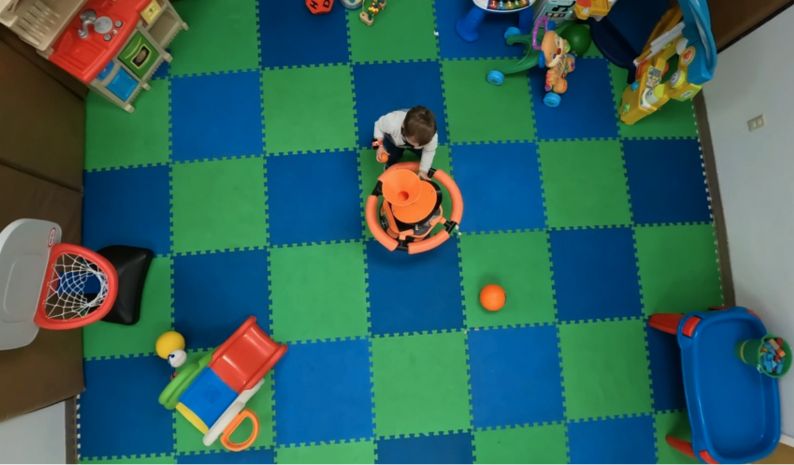
How robots can help children to be physically active
Parents seeking help in encouraging toddlers to be physically active may soon need to look no further than an inexpensive robotic buddy for their kids, a new study by Oregon State University (OSU) suggests. The findings are important because movement plays a key role in the overall health of…
3 min read · 2024
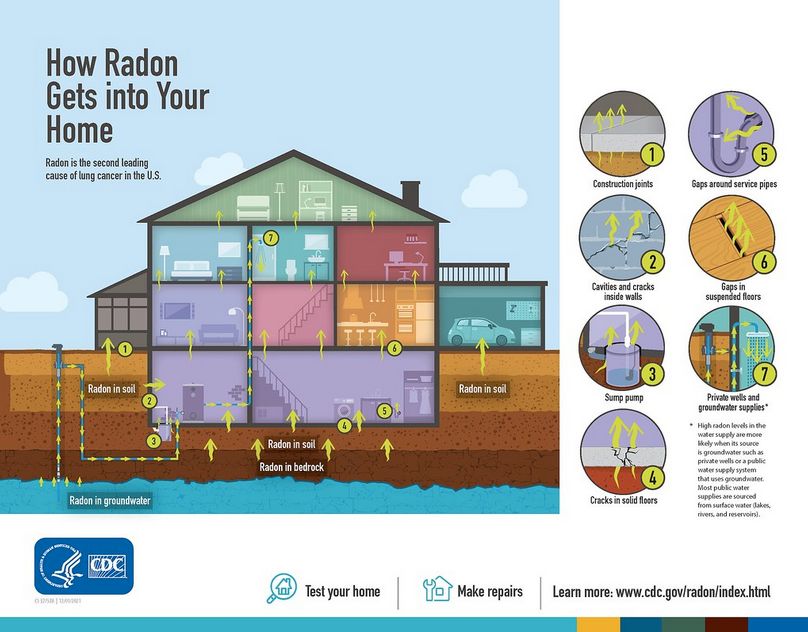
Radon linked to childhood leukemia: OSU study finds
A study of more than 700 counties across multiple U.S. states found a link between childhood leukemia and levels of decaying radon gas, including those lower than the federal guideline for mitigation. The findings are important because there are few established risk factors for cancer in children…
3 min read · 2024
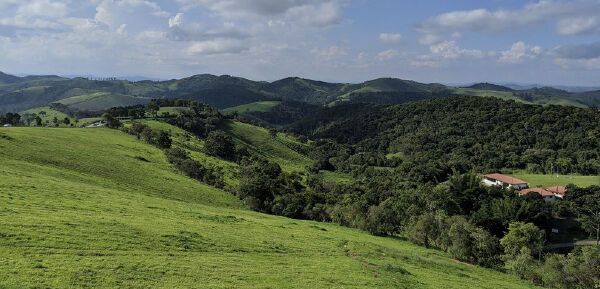
How tree planting works in the climate change fight
Using trees as a cost-effective tool against climate change is more complicated than simply planting large numbers of them, an international collaboration that includes an Oregon State University scientist has shown. Jacob Bukoski of the OSU College of Forestry and seven other researchers…
3 min read · 2024

Consumer inattention can lead to risky purchases, new OSU research finds
Researchers have developed a new theory of how changing market conditions can lead large numbers of otherwise cautious consumers to buy risky products such as subprime mortgages, cryptocurrency or even cosmetic surgery procedures. These changes can occur in categories of products that are generally…
3 min read · 2024
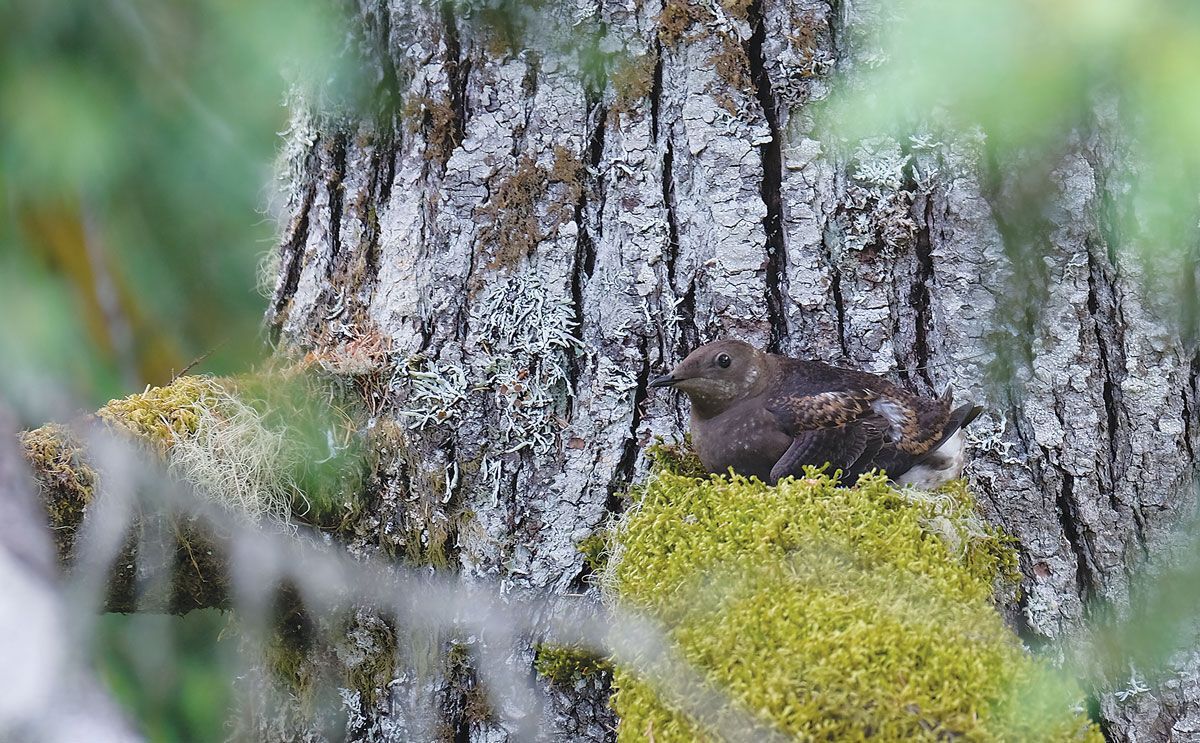
Artificial intelligence enhances monitoring of threatened marbled murrelet
Artificial intelligence analysis of data gathered by acoustic recording devices is a promising new tool for monitoring the marbled murrelet and other secretive, hard-to-study species, research by Oregon State University and the U.S. Forest Service has shown. The threatened marbled murrelet is an…
2 min read · 2024
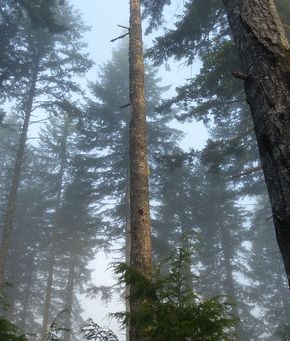
Dead Trees: Creating standing dead trees for wildlife habitat
Ecologists have long known that standing dead trees, commonly referred to as snags, are an important habitat element for forest dwellers and act as a driver of biodiversity. They’re so important that in some managed forests, snag creation is part of the conservation tool kit – i.e., crews sometimes…
3 min read · 2024
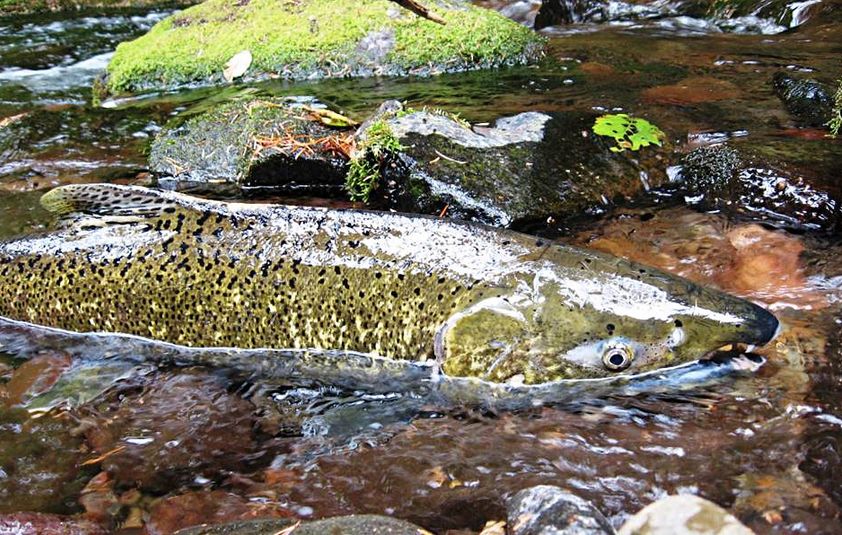
New Hope: Vitamin discovered in rivers may offer hope for salmon
Oregon State University researchers have discovered vitamin B1 produced by microbes in rivers, findings that may offer hope for vitamin-deficient salmon populations. The authors say the study in California’s Central Valley represents a novel piece of an important physiological puzzle involving…
3 min read · 2024
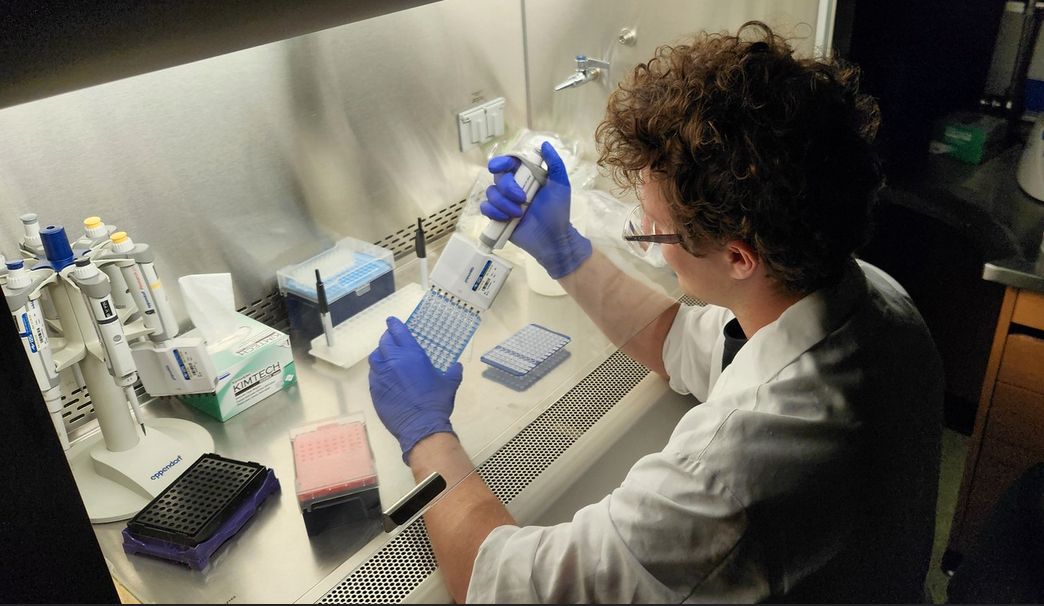
Climate Change: 'Remembering' marine heat waves could save coral reefs
Some coral species can be resilient to marine heat waves by “remembering” how they lived through previous ones, research by Oregon State University scientists suggests. The study, funded by the National Science Foundation, also contains evidence that the ecological memory response is likely linked…
4 min read · 2023
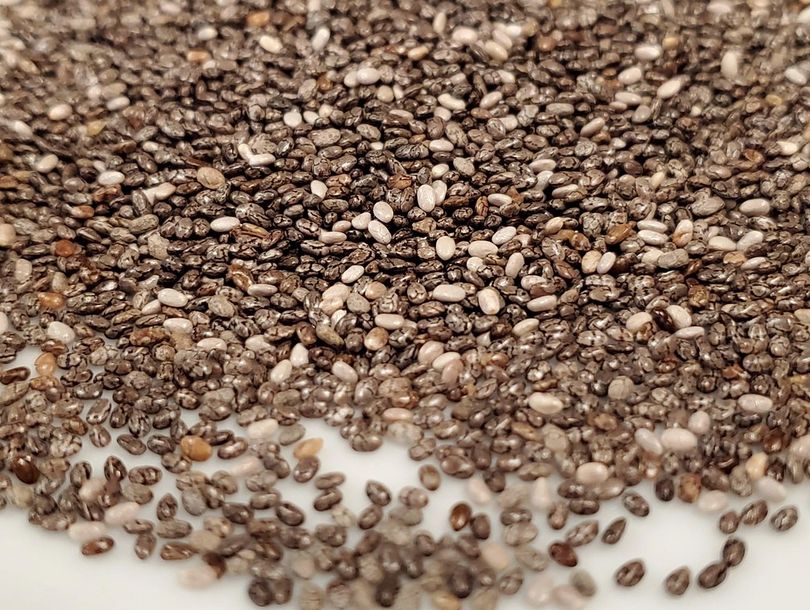
To Your Health: New study eyes chia seed for potential to improve human health
Oregon State University scientists have sequenced the chia genome and in doing so provided a blueprint for future research that capitalizes on the nutritional and human health benefits of the plant. The researchers identified chia genes associated with improving nutrition and sought after properties…
3 min read · 2023
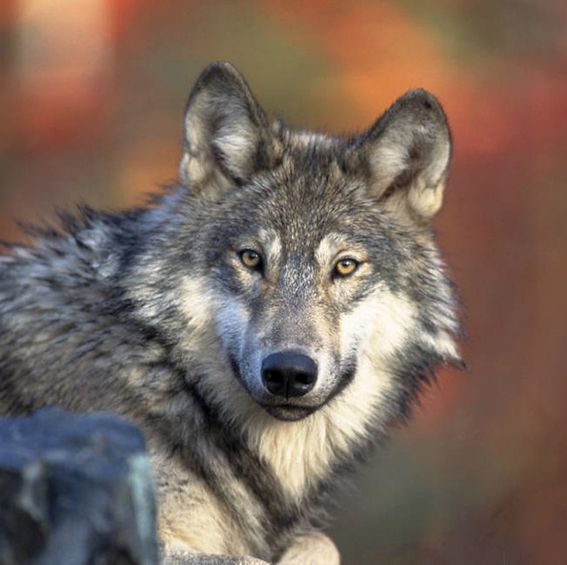
New Research: How wild wolves may be key in improving domestic dogs' health
Gut microbes found in wild wolves may be the key to alleviating a debilitating gastrointestinal condition common to domestic dogs, according to a study led by researchers at Oregon State University – Cascades. The authors report a novel strain of Paenibacillus bacteria with characteristics of a…
2 min read · 2023
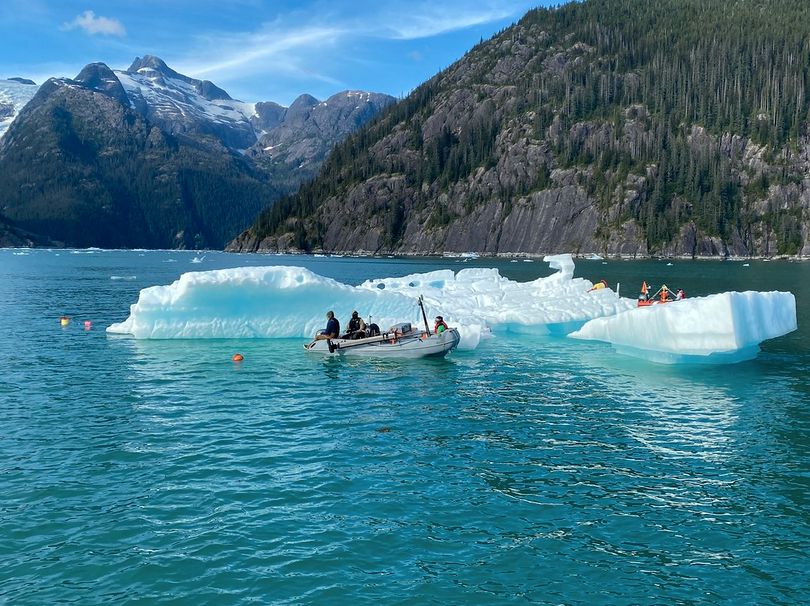
Bursting air bubbles may play key role in glacier ice melts
Oregon State University research has uncovered a possible clue as to why glaciers that terminate at the sea are retreating at unprecedented rates: the bursting of tiny, pressurized bubbles in underwater ice. The study shows that glacier ice, characterized by pockets of pressurized air, melts much…
3 min read · 2023
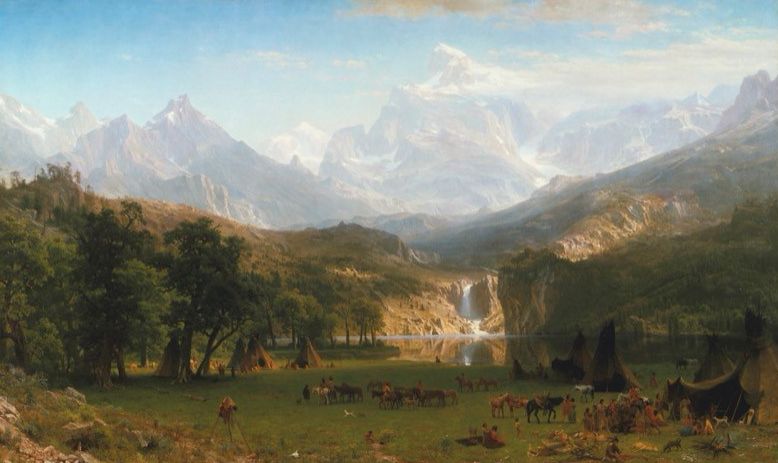
New Study: 19th-century landscape paintings shows merging of art, science
An Oregon State University-led collaboration of ecologists and art historians has demonstrated that landscape paintings from more than 150 years ago can advance environmental science. Researchers from OSU, the U.S. Forest Service, the University of Vermont and the Smithsonian American Art Museum…
4 min read · 2023
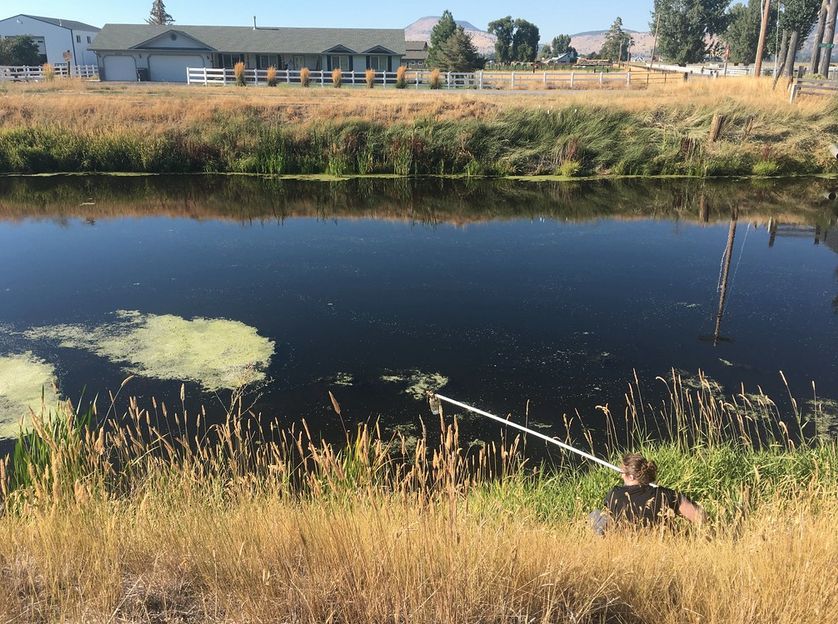
New Research: Novel technique for sniffing out toxic algae blooms
Researchers at Oregon State University have developed a new way to monitor the danger associated with algae blooms: “sniffing” the water for gases associated with toxins. The scientists found that certain combinations of volatile organic compounds released by algae can serve as indicator for…
4 min read · 2023
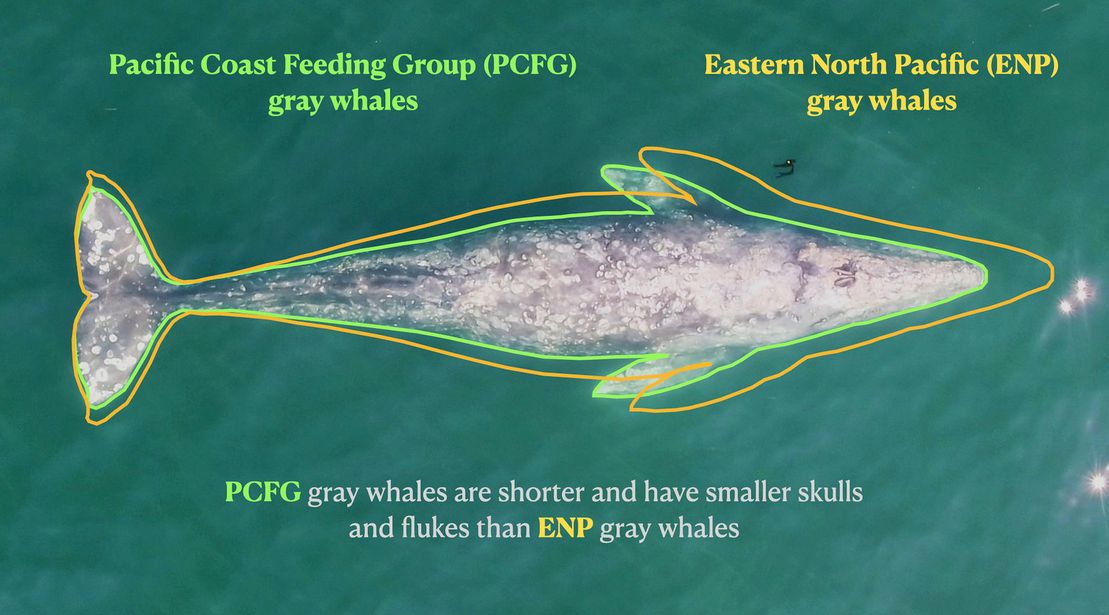
Whale Size: New insight into gray whales along Pacific Northwest Coast
Gray whales that spend their summers feeding off the coast of Oregon are shorter than their counterparts who travel north to the Arctic for food, new research from Oregon State University’s Marine Mammal Institute shows. Both males and female gray whales in the subgroup known as the Pacific Coast…
4 min read · 2023
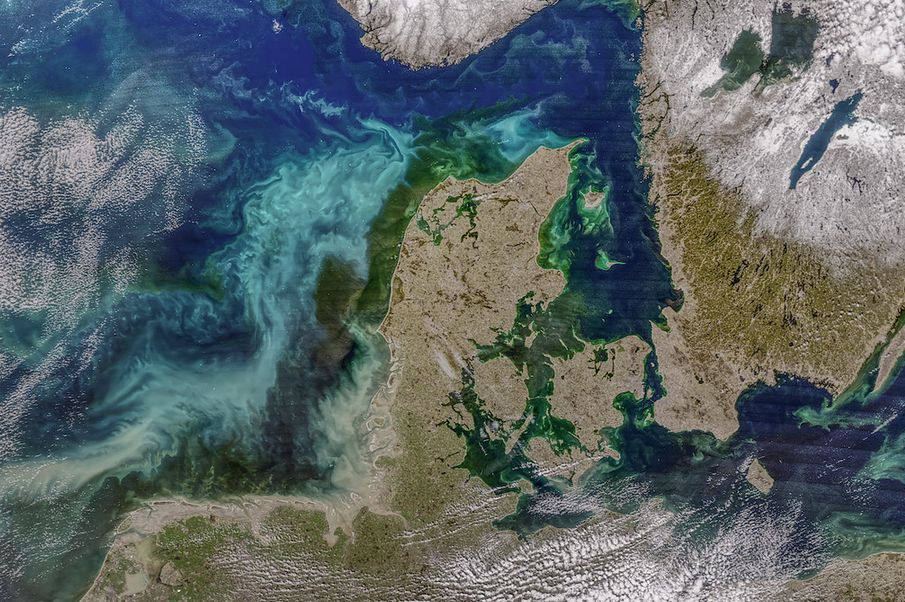
Climate change impacting ocean’s color
The ocean’s color has changed significantly over the last 20 years, and the global trend is likely a consequence of human-induced climate change, scientists, including one from Oregon State University, report in a new study . In the study published in Nature, the team, which includes researchers…
3 min read · 2023
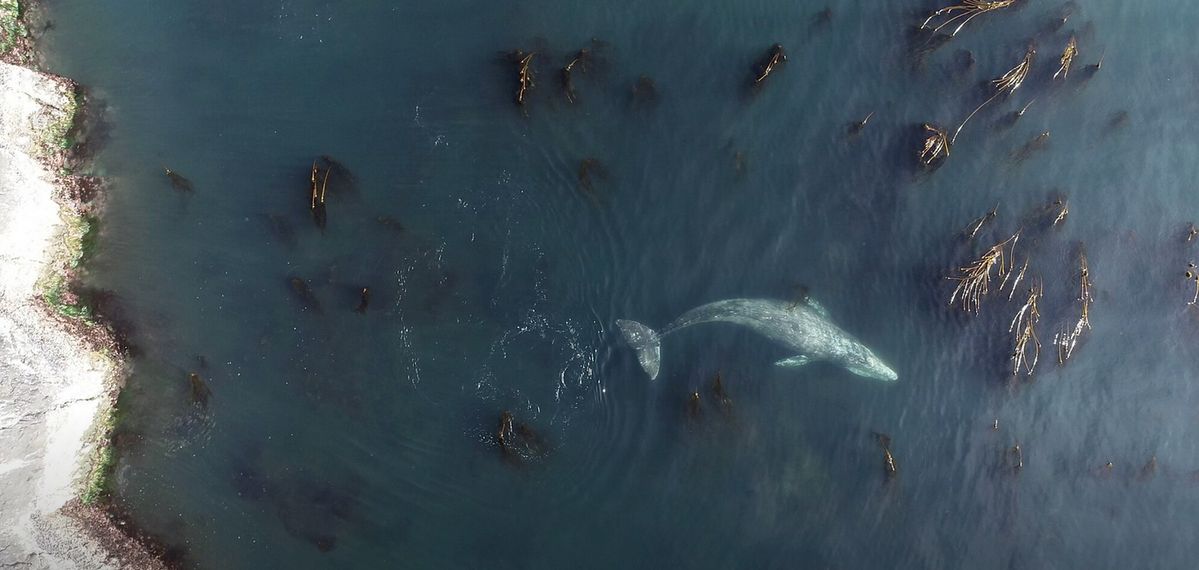
Poop and Prey: What researchers are finding about gray whales
Oregon State University researchers estimate that gray whales feeding off the Oregon Coast consume up to 21 million microparticles per day, a finding informed in part by poop from the whales. Microparticle pollution includes microplastics and other human-sourced materials, including fibers from…
4 min read · 2023
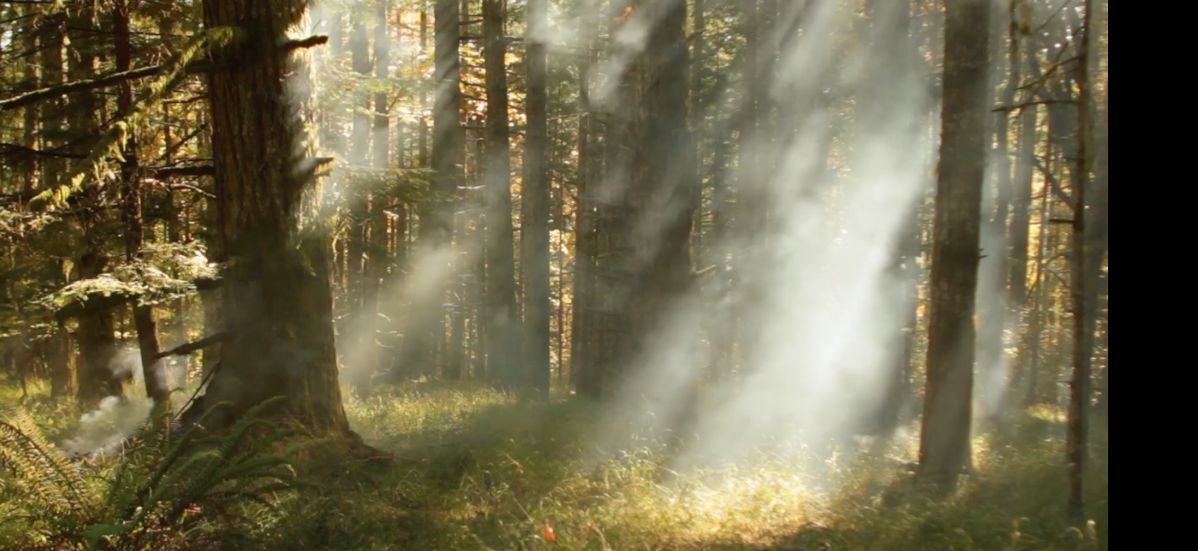
Breakthrough: Understanding chemistry of wildfire smoke in wine
Oregon State University researchers have discovered a new class of compounds that contributes to the ashy or smokey flavors in wine made with grapes exposed to wildfire smoke. This development is significant for winemakers who have struggled to combat the impact of smoke on grapes at a time when…
3 min read · 2023
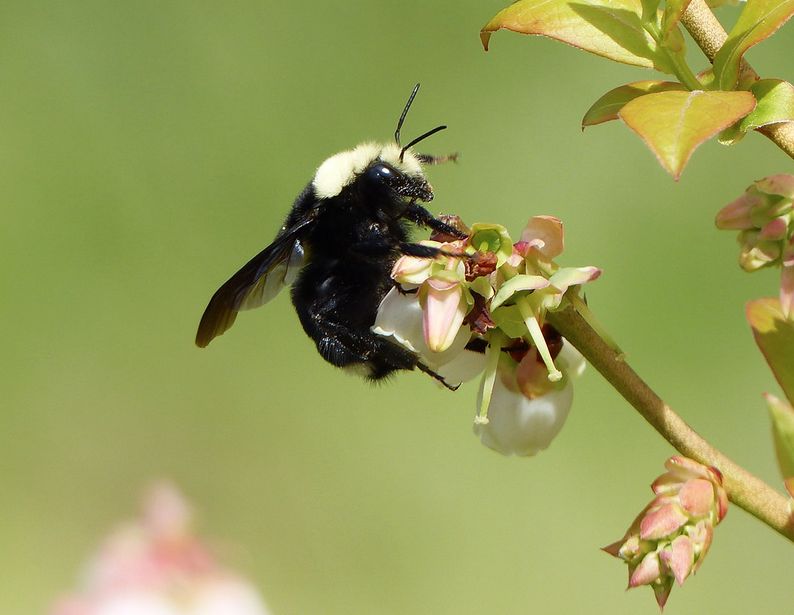
The Importance of Bees: Bees flock to clearcut areas but numbers decline
Native bees in the Oregon Coast Range are diverse and abundant in clearcut areas within a few years of timber harvest. However, the numbers of native bees drop sharply as planted trees grow and the forest canopy closes, according to a new study by Oregon State University (OSU) researchers. The…
3 min read · 2023
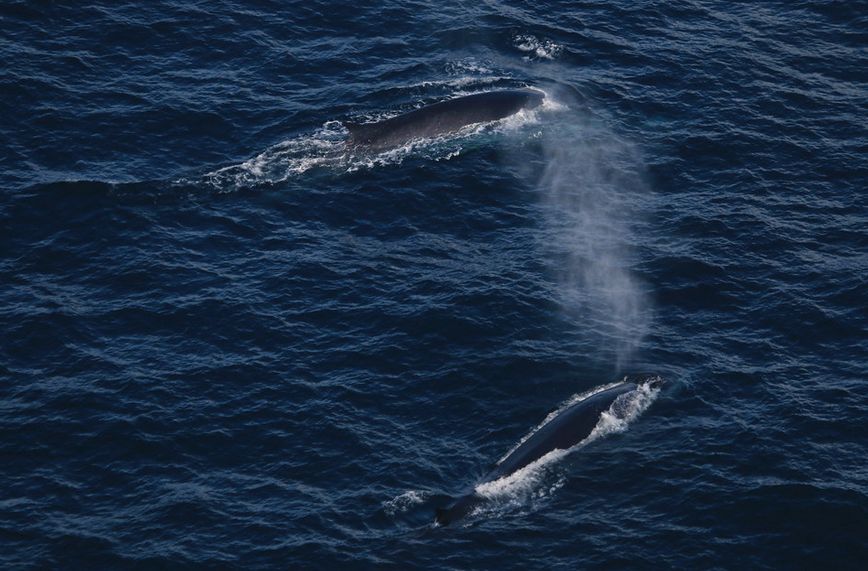
Whale Entanglement: Researchers unraveling risk factors off Oregon Coast
New research by an Oregon State University-led team is beginning to unravel the times of year and locations where whales are at greatest danger of entanglement in fishing gear on the Oregon Coast. “We’ve been able to geographically locate some areas where the risk of entanglement for whales is…
4 min read · 2023
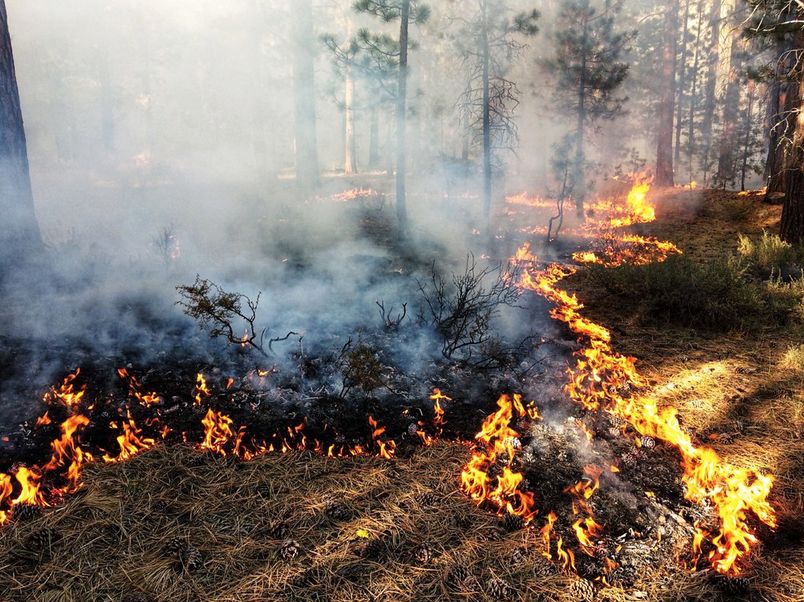
Fire management key to reducing wildfire risk, restoring ecosystems
Oregon State University research into the ability of a wildfire to improve the health of a forest uncovered a Goldilocks effect – unless a blaze falls in a narrow severity range, neither too hot nor too cold, it isn’t very good at helping forest landscapes return to their historical, more…
3 min read · 2023
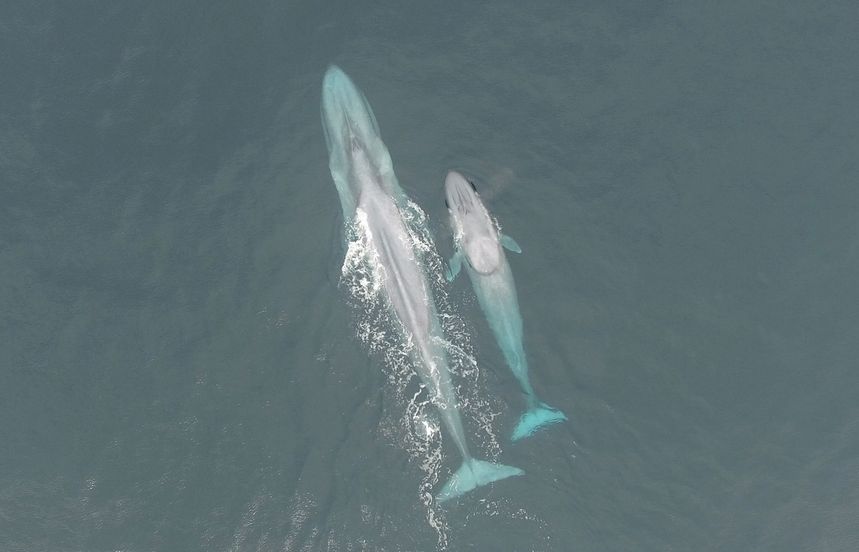
Photos / Blue Whale Research: Environmental conditions impact foraging, reproduction
A new study of New Zealand blue whales’ vocalizations indicates the whales are present year-round in the South Taranaki Bight and their behavior is influenced by environmental conditions in the region. The findings developed by Newport OSU researchers are a significant advancement in understanding…
4 min read · 2023
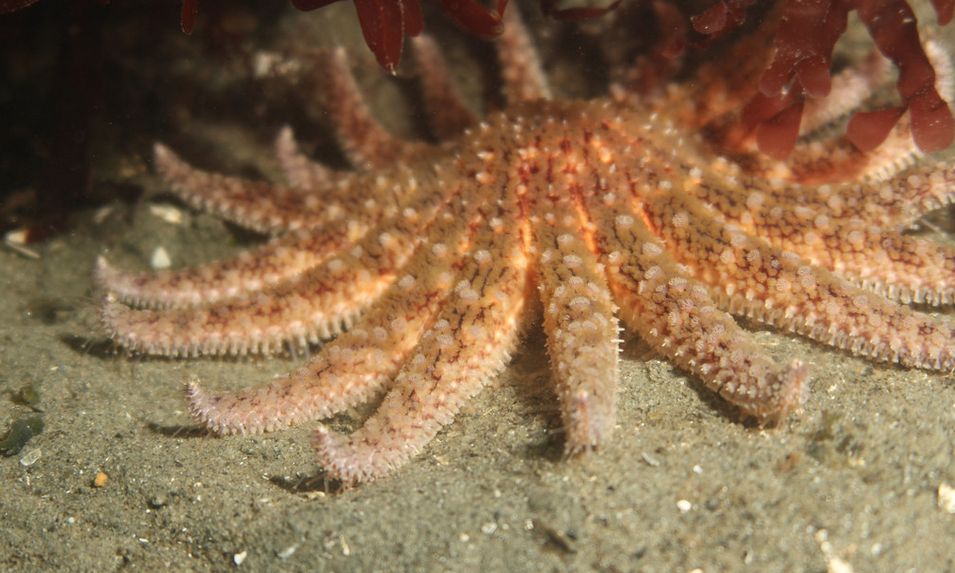
Ocean Research: Sea Stars protecting kelp forests
A research team, including a scientist from Oregon State University, has provided the first experimental evidence that a species of endangered sea star protects kelp forests along North America’s Pacific Coast by preying on substantial numbers of kelp-eating urchins. The study, published in…
4 min read · 2023
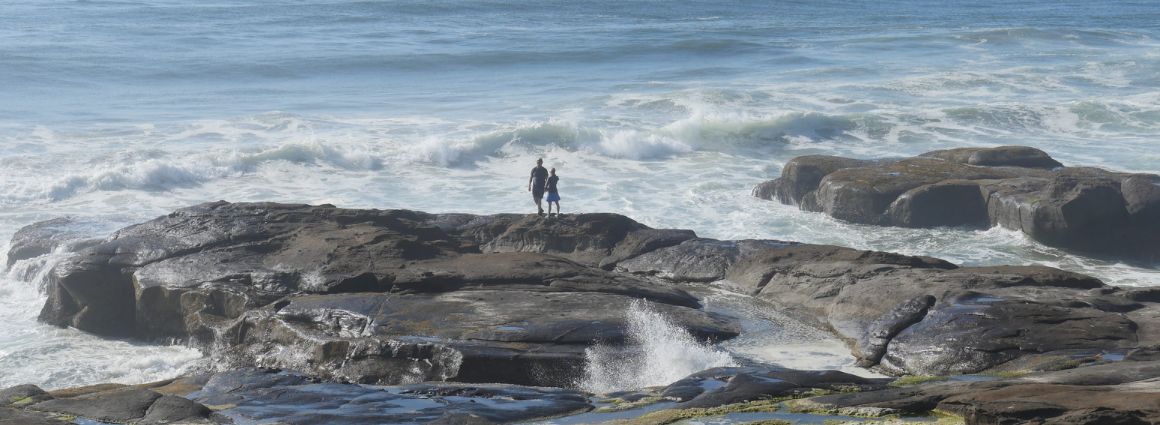
Sneaker Waves: New research shows what's causing the waves along Pacific Northwest
On Jan. 16, 2016, beachgoers up and down the Washington, Oregon and northern California coasts were surprised by multiple “sneaker” waves that inundated beaches, caused injuries and swamped a vehicle. Sneaker waves, also known as wave runup events, can be perceived as a mini-tsunami because the…
5 min read · 2023
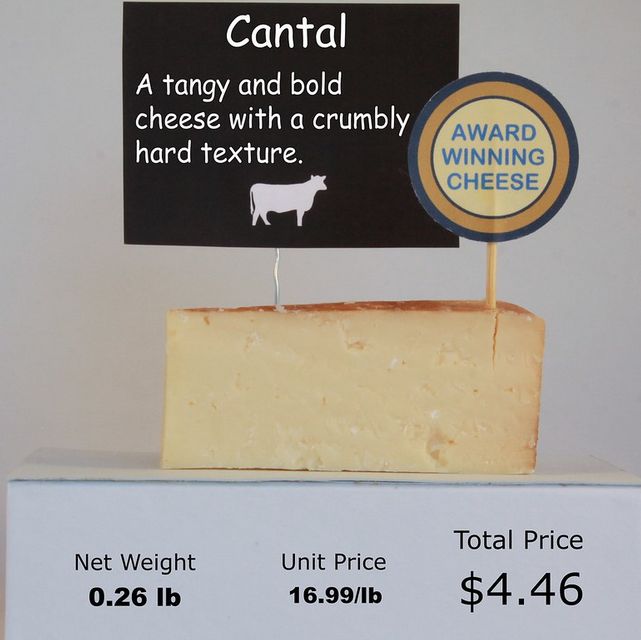
How We Buy Food: New research shows its all about the labeling
Consumers are willing to pay more for familiar, versus unfamiliar, varieties of cheese if there is a sticker on the cheese indicating it won an award or if sensory information about the cheese – such as a description of its taste or food pairing suggestions – is included. That is the finding of a…
3 min read · 2023

New OSU Study: ‘Bike Boxes’ can improve urban intersections for cyclists
A roadway setup known as the “bike box,” a painted-off area for bicyclists at the front of an intersection, can help them stay safe at urban, signalized intersections, research by the Oregon State University College of Engineering indicates. The findings, published in Accident Analysis & Prevention,…
3 min read · 2022
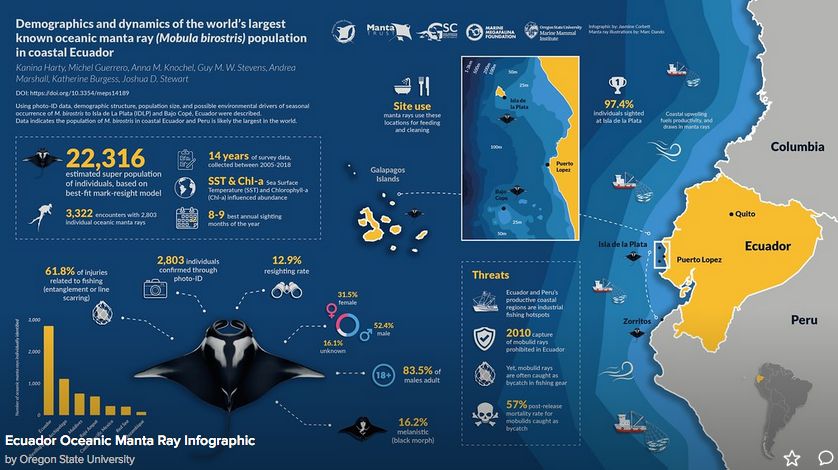
New Research: Largest known manta ray population
Scientists have identified off the coast of Ecuador a distinct population of oceanic manta rays that is more than 10 times larger than any other known subpopulation of the species. The findings, just reported in the journal Marine Ecology Progress Series, indicate that while other populations of…
4 min read · 2022
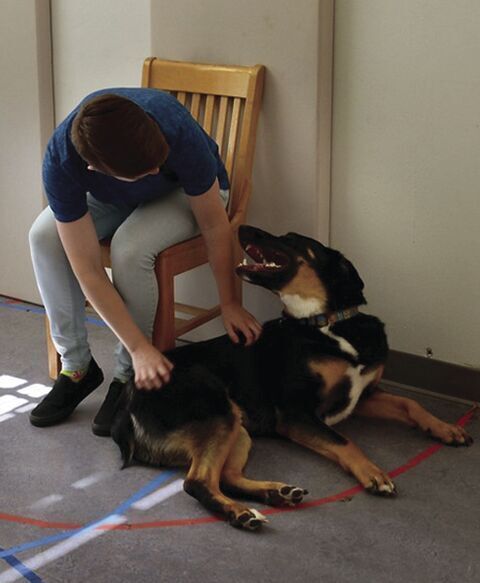
Pet parenting style influences dog behavior, OSU finds
Dogs with owners who have high expectations and are highly responsive to their dog’s behavior and needs are more social, more secure when away from their owners and more persistent problem solvers, an Oregon State University study found. “We found that pet parenting style does predict patterns of…
3 min read · 2022
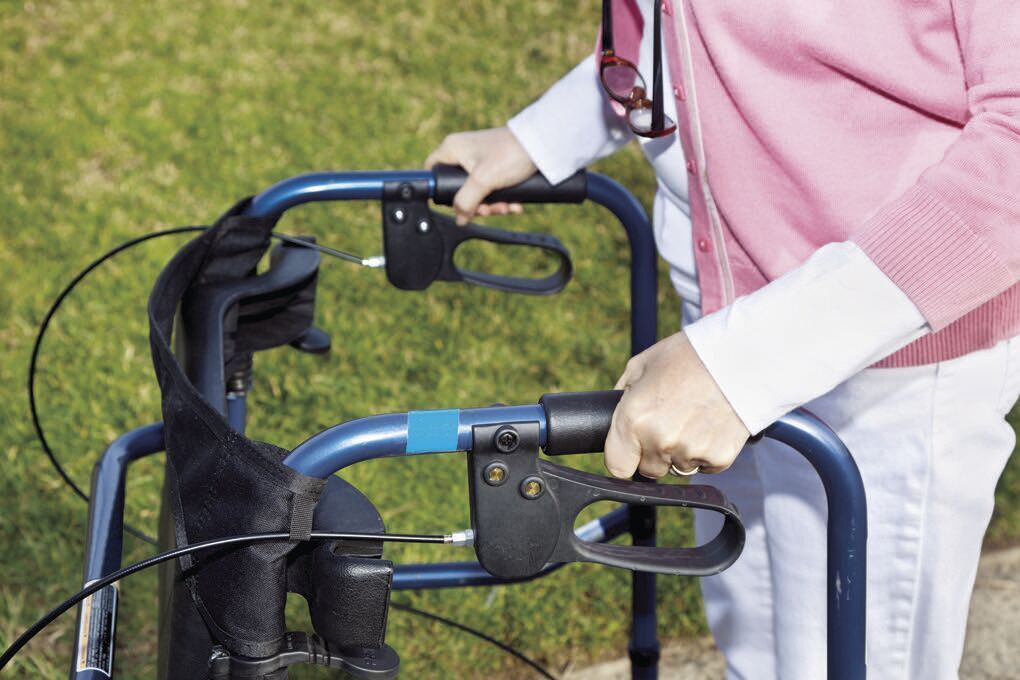
Traveling Safely on Foot: New research shows road treatments could help elderly
Research by the Oregon State University (OSU) College of Engineering and Portland State University (PSU) suggests a trio of roadway treatments would enable people age 65 and older to travel on foot more safely. The study is important because older pedestrians are among the most likely to be killed…
3 min read · 2022
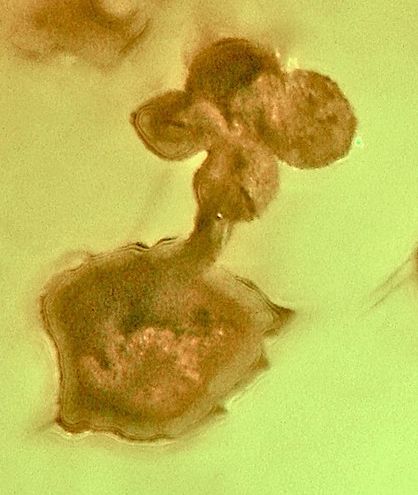
Entombed together: Rare fossil flower, parasitic wasp make amber artwork
Oregon State University (OSU) fossil research has revealed an exquisite merger of art and science: a long-stemmed flower of a newly described plant species encased in a 30-million-year-old tomb together with a parasitic wasp. “Based on interests, background and current environment, everybody has…
2 min read · 2022
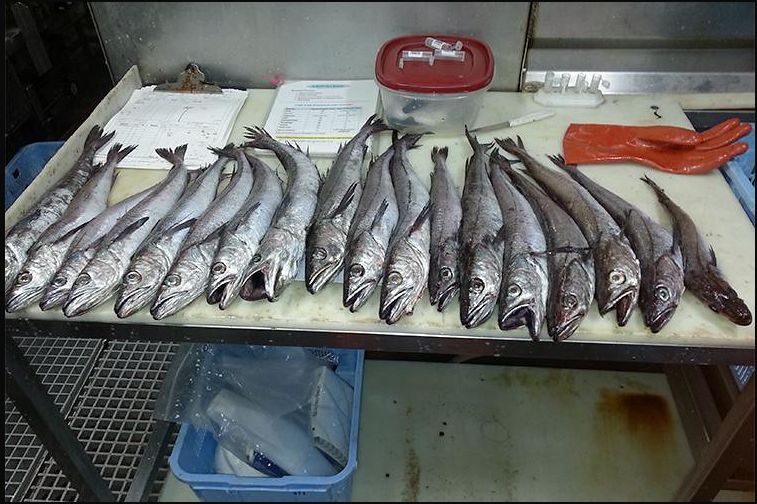
Getting Rid of Your Skin Wrinkles: Fish skin may be the answer, OSU study says
The gelatin in the skin of Pacific whiting may help prevent human skin wrinkling caused by ultraviolet radiation, a new Oregon State University study found. Pacific whiting, an abundant fish on the Pacific Coast is caught in large volumes in the United States but consumers have little familiarity…
2 min read · 2022